
Pensacola Area: Living Guide (2025)
← Back to Florida Panhandle Overview
Pensacola Area Overview
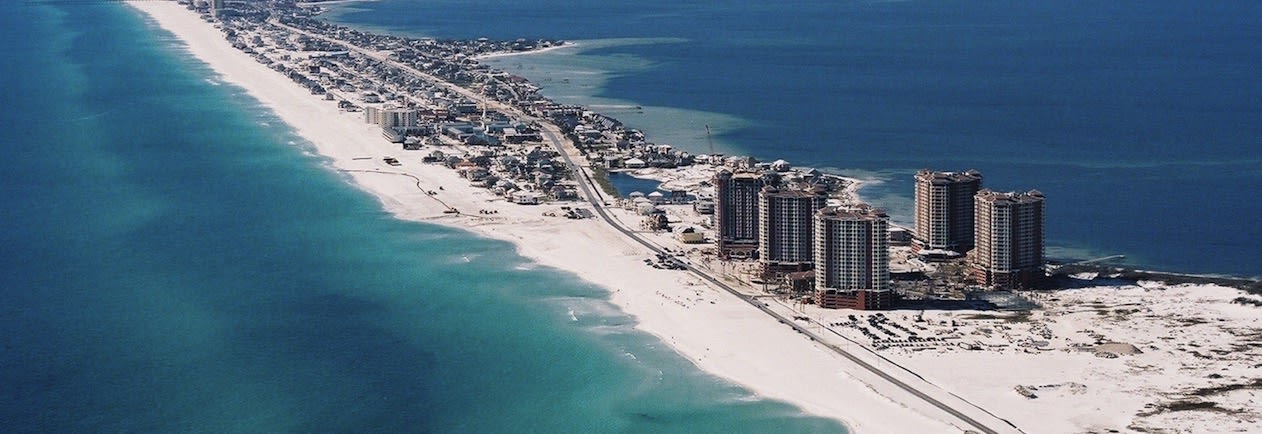
The Pensacola area sits at the western edge of Florida, near the Alabama border. It’s shaped by military installations, a working port, healthcare systems, and a long stretch of Gulf coastline.
This is not a fast-growing Sun Belt boom city. Pensacola grows steadily and attracts people looking for affordable coastal living and a slower pace than most of Florida.
Military presence is a defining feature, but it does not dominate daily life the way outsiders sometimes expect.
What Daily Life Is Like
Daily life in the Pensacola area is practical and routine-based. Most errands involve driving. Grocery stores, schools, medical offices, and gyms are spread across major roads like Nine Mile Road, Davis Highway, and Mobile Highway. Walkability exists in limited pockets, but it’s not how most people live day to day.
Weekdays are shaped by work and school schedules. Military routines and office hours create predictable patterns for traffic and lifestyle. Downtown Pensacola sees activity around offices, restaurants, and the waterfront, but most residents don’t rely on it daily.
Weekends often involve the beach. Pensacola Beach and Perdido Key are common destinations, especially outside peak tourist season.
Worklife and Employment
Employment in the Pensacola area is stable but concentrated. Major anchors include:
- Naval Air Station Pensacola
- Baptist Health Care
- Ascension Sacred Heart
- Port and logistics-related employers
- Education and local government
Military-related jobs influence the economy but do not dominate every sector. Many residents work in healthcare, education, or service roles.
Remote work fits the area well for people who don’t need access to a large white-collar job market.
Housing Snapshot
Housing in the Pensacola area is more affordable than most of coastal Florida. Common patterns include:
- Single-family homes built from the 1970s–2000s
- Newer subdivisions farther north and west
- Condos closer to the beach
Prices increase closer to the water, but even beach-adjacent areas remain less expensive than Southwest Florida.
Flood zones and insurance matter near the coast and bay, but many inland neighborhoods avoid the worst exposure.
Schools
The Pensacola area is served primarily by Escambia County School District, which scores a "B" on niche.com.
School quality varies by neighborhood. Families usually choose housing based on specific school zones, not district-wide reputation. Commonly referenced schools include:
- West Florida High School of Advanced Technology
- Washington High School
- Blue Angels Elementary School
Private and parochial schools are part of the landscape and are frequently used by military families.
Who the Pensacola Area Works For
- Military families
- Healthcare and education workers
- Remote workers
- Retirees seeking affordability
- Buyers priced out of southern Florida
Tradeoffs to Know
- Limited job diversity outside key sectors
- Car-dependent daily life
- Fewer cultural amenities than larger metros
- Hurricane exposure
- Slower growth and fewer new developments
Areas and Pockets to Know
Downtown Pensacola / East Hill
What it’s like: Older housing and historic streets.
Who lives here: Professionals, long-term residents, renters.
Why it matters: Proximity to offices, restaurants, and the bay.
Similar nearby areas: Historic neighborhoods in Mobile.
Deep Dive: Downtown Pensacola / East Hill -->
Northeast Pensacola / Nine Mile Road
What it’s like: Suburban and newer.
Who lives here: Families and commuters.
Why it matters: Newer housing and school access.
Similar nearby areas: Suburban Panama City neighborhoods.
Deep Dive: Northeast Pensacola / Nine Mile Road
Pensacola Beach / Perdido Key
What it’s like: Coastal and seasonal.
Who lives here: Second-home owners and retirees.
Why it matters: Beach access and higher insurance exposure.
Similar nearby areas: Gulf Shores, Alabama.
Gulf Breeze
What it’s like: School-focused suburb across Pensacola Bay.
Who lives here: Families prioritizing public schools and newer housing.
Why it matters: Consistently strong school performance and a quieter day-to-day rhythm.
Similar nearby areas: Pace (north of Pensacola), Niceville (near Destin).
Deep Dive: Gulf Breeze →
Is the Pensacola Area a Good Fit?
Pensacola works best for people who want coastal access without Florida’s higher price points and who are comfortable with a slower, more localized economy.
It is a harder fit for people seeking large job markets or dense urban life.
Comparing Pensacola with Panama City or Southwest Florida?
Save the areas you’re considering in LookyLOO so you can compare housing costs, job access, schools, and storm exposure before deciding.