
Panama City / St. Andrews: Deep Dive Guide (2025)
← Back to Panama City Area Overview
Panama City / St. Andrews Overview
This subarea covers Panama City proper and the nearby St. Andrews neighborhood. It’s the most year-round, locally oriented part of the Panama City area. People who live here tend to work and play locally, and stay put even when tourist activity spikes elsewhere.
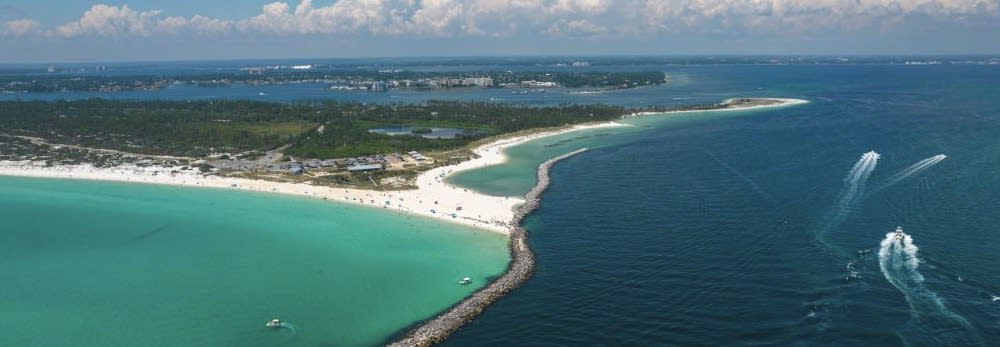
St. Andrews stands out because it has a clearer neighborhood feel than most of Panama City, with older homes, smaller blocks, and a defined commercial strip near the bay.
What Daily Life Is Like
Daily life here is practical and local. Most errands happen close to home. Grocery stores, pharmacies, medical offices, and casual restaurants are all on the city side, so residents don’t need to cross bridges for basics.
People spend time around St. Andrews Bay and neighborhood parks rather than beach access points.
Evenings are calm. Dining and social activity cluster in a few known spots rather than spreading across the city. It feels lived-in rather than event-driven.
How This Area Differs from Panama City Beach
This is where people live full-time with fewer tourists, less traffic, and lower insurance exposure than barrier island areas.
People who choose this area usually want stability over scenery. The beach is still accessible, but it’s a destination rather than part of a daily routine.
Worklife and Commutes
Locals tend to work:
- Healthcare
- Local government or education
- Service and trades tied to the year-round population
Commutes are short within the city. Traffic exists, but it’s predictable compared to beach corridors during season.
Remote work fits well here. Housing layouts and quieter daytime streets make working from home manageable without isolation. There are coworking options in the city.
Housing Snapshot
Housing stock here is older and varied. Common options include:
- mid-century single-family homes
- smaller bungalows in St. Andrews
- modest apartment buildings and duplexes
Prices are generally lower than Panama City Beach. Buyers trade newer finishes for location and lower carrying costs. Flood exposure varies by block, so address-level diligence matters.
Schools
Schools are part of Bay District Schools. The district scores a "B+" on niche.com with some "A" rated options in the area.
Quality varies by zone, so families usually research specific assignments carefully. Families who prioritize schools above all else often compare this area with Lynn Haven, which is why those two subareas are usually evaluated together.
Who Panama City / St. Andrews Works For
- Long-term residents
- Buyers prioritizing affordability and daily convenience
- Households working locally
- People who want fewer seasonal disruptions
Tradeoffs to Know
- Older housing requires inspection diligence
- Fewer polished amenities than beach areas
- Limited nightlife
- School quality depends heavily on zone
Areas and Pockets to Know
St. Andrews Core
What it’s like: Older homes near the bay with a defined neighborhood feel
Who lives here: Long-term residents and professionals
Similar nearby areas: Older residential pockets of Pensacola or Mobile
Central Panama City
What it’s like: Practical, mixed-use city streets
Who lives here: Renters and homeowners working locally
Similar nearby areas: Inland sections of Fort Walton Beach
Is Panama City / St. Andrews a Good Fit?
This subarea works best if you want year-round livability, manageable costs, and short daily routines.
It’s a harder fit if beach access or nightlife are top priorities.
Comparing Panama City / St. Andrews with Lynn Haven or Panama City Beach?
Save the areas you’re considering in LookyLOO so you can compare housing stock, insurance exposure, and daily routines before deciding.